DOMAIN NAMES FOR SALE —AT ABSHOT.COM
![Belfast [DVD] [2022]](https://m.media-amazon.com/images/I/51pzi+ClO+L._AC_.jpg)


- Made Tasty – Bringing together 11 botanicals including traditional, locally foraged and world ingredients, to make this …
- For Everyone Who Likes a Tipple – The traditions of gin are respected with classic ingredients at the base, making our g…
- Ensure Top Quality – We bring quality, character and smoothness to the spirit we use. That’s why we do the rare, unusual…

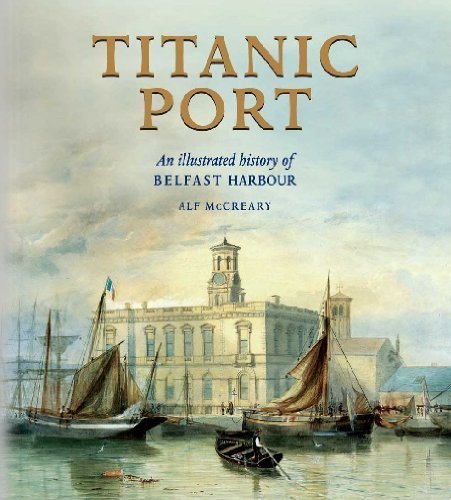

Belfast Harbour, located on the northern coast of Ireland, stands as a testament to the rich maritime history and economic vitality of the region. Established in the early 17th century, the harbour has evolved significantly, serving as a vital gateway for trade and commerce. Today, it is recognized as one of the busiest ports in the United Kingdom, responsible for a substantial portion of the country’s shipping activities.
The harbour has played a pivotal role in Belfast’s development, particularly during the industrial boom of the 19th and early 20th centuries. It was here that the famous RMS Titanic was constructed, a fact that remains deeply embedded in the local heritage. This historical significance is vividly captured in the Titanic Quarter, an area dedicated to celebrating the legacy of shipbuilding and the maritime industry. Visitors can explore attractions such as the Titanic Belfast museum, which provides insightful exhibitions about the ship and the era in which it was built.
In addition to its historical context, Belfast Harbour has diversified its offerings through cultural and tourism opportunities. The waterfront area is home to various eateries, shops, and entertainment venues that attract both locals and tourists alike. Regular events and festivals are held in this bustling location, enhancing its appeal as a community hub. The picturesque views of the surrounding landscape further add to the harbour’s charm, making it a perfect spot for leisurely strolls or family outings.
In summary, Belfast Harbour represents a vibrant blend of history, commerce, and culture. Its significance as a major port and a focal point for tourism makes it an essential destination for those exploring Belfast, promising a wealth of experiences for all who visit.
Top Attractions in Belfast City
When visiting Belfast, the city boasts a rich tapestry of attractions that reflect its historical significance and modern vibrancy. Among the key landmarks is the Belfast City Hall, an architectural masterpiece that sits at the heart of the city. Completed in 1906, the hall features stunning stained glass windows and a prominent clock tower, making it a focal point for both locals and tourists alike. Guided tours are available, allowing visitors to learn about the building’s history and its role in the civic life of Belfast.
Another essential stop is the Ulster Museum, which provides a comprehensive overview of Northern Ireland’s history, art, and natural sciences. With diverse exhibits ranging from ancient artifacts to contemporary art, the museum serves as an educational hub, housing important collections that chronicle the region’s past. The museum is free to enter, making it a popular destination for families and history enthusiasts.



For those seeking a taste of local culture, St. George’s Market is a must-visit. This vibrant marketplace, originally established in the 17th century, showcases a variety of local produce, crafts, and food stalls. Guests can indulge in an array of culinary delights, from artisan cheeses to freshly prepared street food, all while enjoying live music and a bustling atmosphere. The market is not just a shopping experience; it is a celebration of Belfast’s community spirit and creativity.
Additionally, Belfast is renowned for its vibrant street art scene. Murals can be found throughout the city, with many depicting historical events, cultural figures, and social issues. These striking artworks contribute to the narrative of Belfast’s complex history, providing insight into the city’s past while also celebrating its artistic expression. Exploring these murals is an engaging way to experience the city’s evolving identity.
Collectively, these attractions offer a varied glimpse into the multifaceted character of Belfast, intertwining its rich history with contemporary culture that defines the city today.
Activities and Experiences at Belfast Harbour
Belfast Harbour offers a rich variety of activities and experiences that cater to visitors of all ages and interests. One of the standout attractions is the acclaimed Titanic Museum, which provides guided tours that delve into the story of the ill-fated RMS Titanic. The museum features interactive exhibits, artifacts, and engaging narratives that shed light on this significant chapter in maritime history. Visitors can immerse themselves in the compelling storytelling that surrounds the ship’s construction and tragic sinking, making it a must-see for history enthusiasts.
For those who prefer a more leisurely experience, the waterfront walkways provide stunning views of the harbor and bustling marina. Strolling along the promenade, visitors can appreciate the beautiful backdrop of the city while enjoying fresh air and the gentle sounds of water. This is an ideal setting for family outings, romantic walks, or peaceful moments of solitude. The harbor is also home to various parks, allowing guests to enjoy picnics and outdoor activities in a scenic environment.
Culinary experiences abound at Belfast Harbour, with several popular restaurants offering local delicacies. From traditional Irish fare to contemporary dishes inspired by global cuisine, dining options reflect the rich cultural tapestry of the region. Local seafood is particularly noteworthy, with fresh catches supporting the vibrant fishing industry. Restaurants often pride themselves on sourcing ingredients from local suppliers, providing visitors with an authentic taste of Belfast’s culinary landscape. Whether you are looking for a casual café or an upscale dining experience, the harbour has something to satisfy every palate.
Overall, Belfast Harbour serves as a hub of activity that encourages exploration and enjoyment. Visitors will find numerous opportunities to engage with the local culture, whether through educational tours, scenic walks, or delightful culinary adventures, making it a fantastic destination for everyone.
Practical Tips for Visiting Belfast Harbour and City
When considering a visit to Belfast Harbour and the city, timing can significantly impact your experience. The best times to visit are typically between May and September, when the weather is milder and outdoor activities are more enjoyable. However, do keep in mind that the summer months may draw larger crowds. If you prefer a quieter experience, early spring or late autumn can still offer pleasant weather without the bustling tourist scene.
Transportation within the city is straightforward, with various options available. The public transport system, including buses and trains, is efficient and covers most key areas, making it easy to navigate from Belfast Harbour to city attractions. Additionally, consider purchasing a Belfast Visitor Pass, which provides unlimited travel on public transport and discounts at various attractions. For those who prefer driving, rental services are readily available, but be mindful of local driving regulations and parking options.
Accommodations in Belfast range from luxurious hotels to budget-friendly hostels. For a remarkable experience, choose to stay near the waterfront, where you can enjoy stunning views of the harbour. Popular hotel chains, as well as independent establishments, often offer deals online, so make sure to book in advance to secure the best rates. When inquiring about lodgings, check for special offers tied to local attractions, enhancing your overall visit.
Finally, understanding local customs and etiquette will enrich your travel experience. The people of Belfast are known for their hospitality, so a friendly greeting can go a long way. Moreover, it is advisable to respect any local traditions and be mindful of public behavioUr, particularly in areas of historical significance. By considering these practical tips, visitors can ensure a smooth and enjoyable journey in Belfast and its vibrant harbour.
Contact information — Please use contact form on http://www.abshot.com/contact/